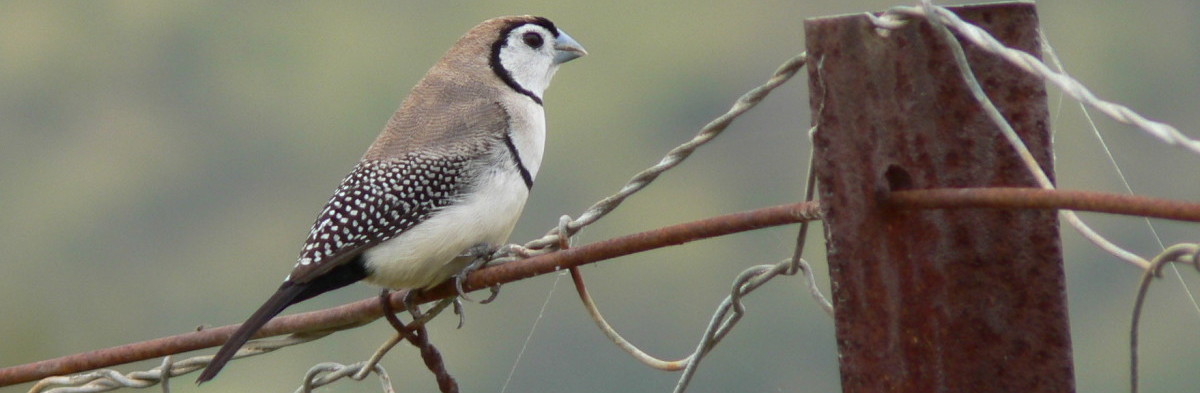
| Survey Point | Everton Hills Vic |
| Latitude | -36.3675000 (36° 22′ 3″ S) |
| Longitude | 146.5655500 (146° 33′ 56″ E) |
This is private property and where I cut my teeth as a bird surveyor, it’s farmland on a ridge, that’s surrounded by forest with some woodland on the slopes on the property, importantly the land has never been fertilised making for quality grassland.
Surveys done 23
Blogs, see main page archives:
NE and East Victoria 2017
Victoria, The Coorong, Flinders Ranges, Oodnadatta Track, Newhaven, Mt Augustus, Kennedy Range NP 2024
NW Victoria, Ngarkat SA, central NSW, Bowra Qld 2025
- Pacific Black Duck
- Anas superciliosa
- 4 (17.39%)
- Australian Wood Duck
- Chenonetta jubata
- 5 (21.74%)
- Stubble Quail
- Coturnix pectoralis
- 1 (4.35%)
- Australasian Grebe
- Tachybaptus novaehollandiae
- 4 (17.39%) (B)
- Common Bronzewing
- Phaps chalcoptera
- 8 (34.78%)
- Crested Pigeon
- Ocyphaps lophotes
- 1 (4.35%)
- Peaceful Dove
- Geopelia placida
- 5 (21.74%)
- Horsfield’s Bronze-Cuckoo
- Chalcites basalis
- 3 (13.04%)
- Shining Bronze-Cuckoo
- Chalcites lucidus
- 1 (4.35%)
- Fan-tailed Cuckoo
- Cacomantis flabelliformis
- 2 (8.70%)
- Pallid Cuckoo
- Heteroscenes pallidus
- 2 (8.70%)
- Masked Lapwing
- Vanellus miles
- 1 (4.35%)
- Straw-necked Ibis
- Threskiornis spinicollis
- 1 (4.35%)
- Wedge-tailed Eagle
- Aquila audax
- 6 (26.09%)
- Brown Goshawk
- Accipiter fasciatus
- 1 (4.35%)
- Whistling Kite
- Haliastur sphenurus
- 3 (13.04%)
- Southern Boobook
- Ninox boobook
- 1 (4.35%)
- Rainbow Bee-eater
- Merops ornatus
- 3 (13.04%)
- Sacred Kingfisher
- Todiramphus sanctus
- 1 (4.35%)
- Laughing Kookaburra
- Dacelo novaeguineae
- 11 (47.83%)
- Nankeen Kestrel
- Falco cenchroides
- 3 (13.04%)
- Brown Falcon
- Falco berigora
- 12 (52.17%)
- Galah
- Eolophus roseicapilla
- 7 (30.43%)
- Sulphur-crested Cockatoo
- Cacatua galerita
- 3 (13.04%)
- Red-rumped Parrot
- Psephotus haematonotus
- 10 (43.48%)
- Crimson Rosella
- Platycercus elegans
- 13 (56.52%) (B)
- Eastern Rosella
- Platycercus eximius
- 13 (56.52%)
- Turquoise Parrot
- Neophema pulchella
- 1 (4.35%)
- White-throated Treecreeper
- Cormobates leucophaea
- 10 (43.48%)
- White-browed Treecreeper
- Climacteris affinis
- 1 (4.35%)
- Brown Treecreeper
- Climacteris picumnus
- 1 (4.35%)
- Superb Fairy-wren
- Malurus cyaneus
- 17 (73.91%)
- Noisy Friarbird
- Philemon corniculatus
- 1 (4.35%)
- White-eared Honeyeater
- Nesoptilotis leucotis
- 2 (8.70%)
- Brown-headed Honeyeater
- Melithreptus brevirostris
- 2 (8.70%)
- White-naped Honeyeater
- Melithreptus lunatus
- 1 (4.35%)
- Eastern Spinebill
- Acanthorhynchus tenuirostris
- 3 (13.04%)
- White-fronted Chat
- Epthianura albifrons
- 4 (17.39%)
- Red Wattlebird
- Anthochaera carunculata
- 2 (8.70%)
- White-plumed Honeyeater
- Ptilotula penicillata
- 11 (47.83%)
- Yellow-faced Honeyeater
- Caligavis chrysops
- 4 (17.39%)
- Yellow-tufted Honeyeater
- Lichenostomus melanops
- 1 (4.35%)
- Spotted Pardalote
- Pardalotus punctatus
- 3 (13.04%)
- Striated Pardalote
- Pardalotus striatus
- 4 (17.39%)
- White-throated Gerygone
- Gerygone olivacea
- 4 (17.39%)
- Western Gerygone
- Gerygone fusca
- 1 (4.35%)
- Weebill
- Smicrornis brevirostris
- 4 (17.39%)
- Speckled Warbler
- Pyrrholaemus sagittatus
- 4 (17.39%)
- White-browed Scrubwren
- Sericornis frontalis
- 10 (43.48%)
- Southern Whiteface
- Aphelocephala leucopsis
- 11 (47.83%) (B)
- Yellow-rumped Thornbill
- Acanthiza chrysorrhoa
- 12 (52.17%)
- Yellow Thornbill
- Acanthiza nana
- 9 (39.13%)
- Striated Thornbill
- Acanthiza lineata
- 2 (8.70%)
- Brown Thornbill
- Acanthiza pusilla
- 12 (52.17%)
- Buff-rumped Thornbill
- Acanthiza reguloides
- 4 (17.39%)
- Varied Sittella
- Daphoenositta chrysoptera
- 2 (8.70%)
- Black-faced Cuckoo-shrike
- Coracina novaehollandiae
- 5 (21.74%)
- White-winged Triller
- Lalage tricolor
- 4 (17.39%)
- Rufous Whistler
- Pachycephala rufiventris
- 6 (26.09%)
- Golden Whistler
- Pachycephala pectoralis
- 1 (4.35%)
- Grey Shrike-thrush
- Colluricincla harmonica
- 10 (43.48%)
- Crested Shrike-tit
- Falcunculus frontatus
- 2 (8.70%)
- Olive-backed Oriole
- Oriolus sagittatus
- 3 (13.04%)
- Pied Currawong
- Strepera graculina
- 4 (17.39%)
- Grey Currawong
- Strepera versicolor
- 2 (8.70%)
- Australian Magpie
- Gymnorhina tibicen
- 18 (78.26%) (B)
- Pied Butcherbird
- Cracticus nigrogularis
- 1 (4.35%)
- Grey Butcherbird
- Cracticus torquatus
- 1 (4.35%)
- Dusky Woodswallow
- Artamus cyanopterus
- 5 (21.74%) (B)
- Willie Wagtail
- Rhipidura leucophrys
- 15 (65.22%)
- Grey Fantail
- Rhipidura albiscapa
- 10 (43.48%)
- Australian Raven
- Corvus coronoides
- 16 (69.57%)
- Leaden Flycatcher
- Myiagra rubecula
- 1 (4.35%)
- Restless Flycatcher
- Myiagra inquieta
- 6 (26.09%)
- Magpie-lark
- Grallina cyanoleuca
- 10 (43.48%) (B)
- White-winged Chough
- Corcorax melanorhamphos
- 1 (4.35%)
- Flame Robin
- Petroica phoenicea
- 4 (17.39%)
- Scarlet Robin
- Petroica boodang
- 6 (26.09%)
- Red-capped Robin
- Petroica goodenovii
- 8 (34.78%)
- Jacky Winter
- Microeca fascinans
- 11 (47.83%)
- Eastern Yellow Robin
- Eopsaltria australis
- 6 (26.09%)
- Hooded Robin
- Melanodryas cucullata
- 4 (17.39%)
- Mistletoebird
- Dicaeum hirundinaceum
- 3 (13.04%)
- Red-browed Finch
- Neochmia temporalis
- 6 (26.09%)
- Australasian Pipit
- Anthus novaeseelandiae
- 12 (52.17%)
- European Goldfinch
- Carduelis carduelis
- 5 (21.74%)
- Rufous Songlark
- Cincloramphus mathewsi
- 1 (4.35%)
- Fairy Martin
- Petrochelidon ariel
- 1 (4.35%)
- Tree Martin
- Petrochelidon nigricans
- 1 (4.35%)
- Welcome Swallow
- Hirundo neoxena
- 8 (34.78%)
- Silvereye
- Zosterops lateralis
- 10 (43.48%)
- Common Starling
- Sturnus vulgaris
- 11 (47.83%)
- Common Blackbird
- Turdus merula
- 5 (21.74%)
