| Survey Point | Malcolm Dam WA |
| Latitude | -28.8763900 (28° 52′ 35″ S) |
| Longitude | 121.4425000 (121° 26′ 33″ E) |
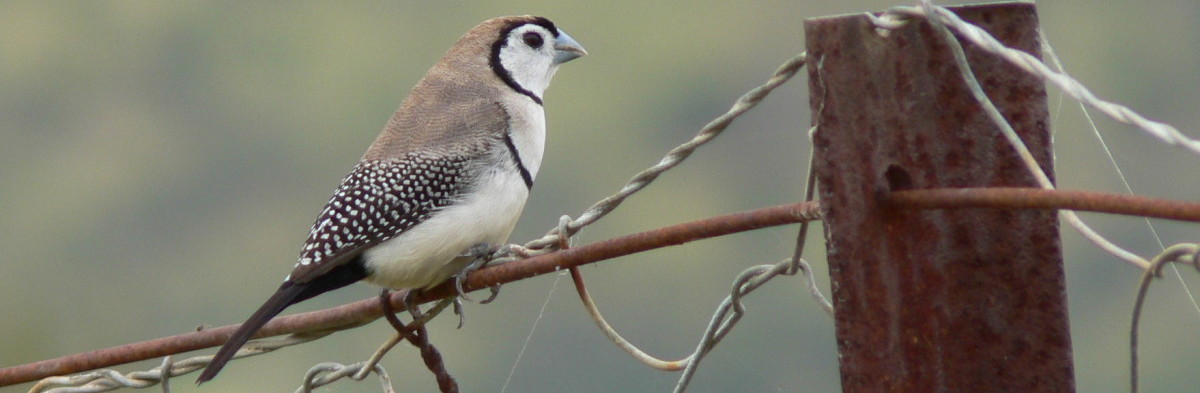
This is a birding hotspot. About 9km west of Malcolm on the Laverton Leonora Rd a small track leads off to the NE, about 3km along it is the disused dam that is now a reserve and has a free campsite. The quality of the site depends on the level of water in the dam, which can get quite low. On the other side of the wall is a good quality woodland.
Camp rating 8, the best sites are along the dam wall, but there is a ring of table shelters around the dam. There are no toilets here.
Surveys done 3
Blogs, see main page archives:
Anne Beadell Hwy, SW WA, Nullarbor plain 2014
Western Australia 2021-22
Mallee Cliffs NP, Byron Bay, Plenty Hwy, Great Central Road 2025
- Pink-eared Duck
- Malacorhynchus membranaceus
- 1 (33.33%)
- Black Swan
- Cygnus atratus
- 2 (66.67%)
- Australian Shelduck
- Tadorna tadornoides
- 1 (33.33%)
- Pacific Black Duck
- Anas superciliosa
- 1 (33.33%)
- Grey Teal
- Anas gracilis
- 2 (66.67%)
- Musk Duck
- Biziura lobata
- 1 (33.33%) (B)
- Australian Wood Duck
- Chenonetta jubata
- 2 (66.67%)
- Australasian Grebe
- Tachybaptus novaehollandiae
- 1 (33.33%)
- Hoary-headed Grebe
- Poliocephalus poliocephalus
- 1 (33.33%)
- Common Bronzewing
- Phaps chalcoptera
- 1 (33.33%)
- Crested Pigeon
- Ocyphaps lophotes
- 3 (100.00%)
- Diamond Dove
- Geopelia cuneata
- 2 (66.67%)
- Black-tailed Native-hen
- Tribonyx ventralis
- 1 (33.33%)
- Eurasian Coot
- Fulica atra
- 1 (33.33%)
- Red-necked Avocet
- Recurvirostra novaehollandiae
- 1 (33.33%)
- Pied Stilt
- Himantopus leucocephalus
- 1 (33.33%)
- Black-fronted Dotterel
- Elseyornis melanops
- 3 (100.00%)
- Banded Lapwing
- Vanellus tricolor
- 1 (33.33%)
- Australian Pelican
- Pelecanus conspicillatus
- 1 (33.33%)
- White-faced Heron
- Egretta novaehollandiae
- 1 (33.33%)
- Australian White Ibis
- Threskiornis moluccus
- 1 (33.33%)
- Yellow-billed Spoonbill
- Platalea flavipes
- 1 (33.33%)
- Little Pied Cormorant
- Microcarbo melanoleucos
- 1 (33.33%)
- Great Cormorant
- Phalacrocorax carbo
- 1 (33.33%)
- Little Black Cormorant
- Phalacrocorax sulcirostris
- 2 (66.67%)
- Wedge-tailed Eagle
- Aquila audax
- 1 (33.33%)
- Whistling Kite
- Haliastur sphenurus
- 2 (66.67%)
- Australian Hobby
- Falco longipennis
- 1 (33.33%)
- Brown Falcon
- Falco berigora
- 1 (33.33%)
- Budgerigar
- Melopsittacus undulatus
- 1 (33.33%)
- Western Bowerbird
- Chlamydera guttata
- 2 (66.67%)
- Splendid Fairy-wren
- Malurus splendens
- 1 (33.33%)
- Pied Honeyeater
- Certhionyx variegatus
- 1 (33.33%)
- Spiny-cheeked Honeyeater
- Acanthagenys rufogularis
- 3 (100.00%)
- Singing Honeyeater
- Gavicalis virescens
- 3 (100.00%)
- White-fronted Honeyeater
- Purnella albifrons
- 1 (33.33%)
- Yellow-throated Miner
- Manorina flavigula
- 1 (33.33%)
- Western Gerygone
- Gerygone fusca
- 1 (33.33%)
- Inland Thornbill
- Acanthiza apicalis
- 1 (33.33%)
- Chestnut-rumped Thornbill
- Acanthiza uropygialis
- 1 (33.33%)
- White-winged Triller
- Lalage tricolor
- 1 (33.33%)
- Rufous Whistler
- Pachycephala rufiventris
- 1 (33.33%)
- Crested Bellbird
- Oreoica gutturalis
- 3 (100.00%)
- Australian Magpie
- Gymnorhina tibicen
- 2 (66.67%)
- Pied Butcherbird
- Cracticus nigrogularis
- 2 (66.67%)
- Willie Wagtail
- Rhipidura leucophrys
- 3 (100.00%)
- Grey Fantail
- Rhipidura albiscapa
- 1 (33.33%)
- Torresian Crow
- Corvus orru
- 2 (66.67%)
- Little Crow
- Corvus bennetti
- 1 (33.33%)
- Magpie-lark
- Grallina cyanoleuca
- 3 (100.00%)
- Red-capped Robin
- Petroica goodenovii
- 2 (66.67%)
- Zebra Finch
- Taeniopygia castanotis
- 2 (66.67%)
- Australasian Pipit
- Anthus novaeseelandiae
- 1 (33.33%)
- Rufous Songlark
- Cincloramphus mathewsi
- 2 (66.67%)
- Welcome Swallow
- Hirundo neoxena
- 3 (100.00%)
